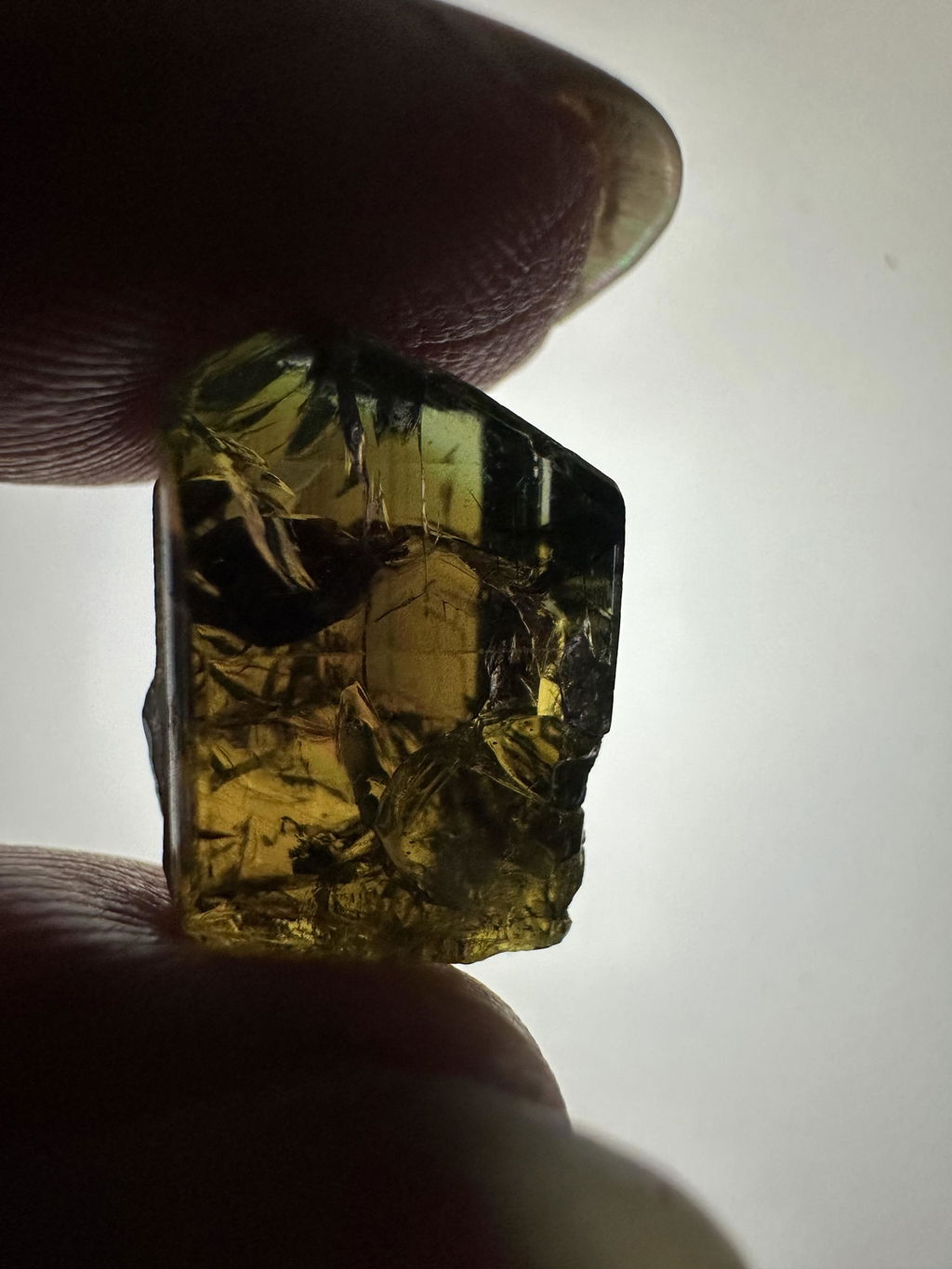
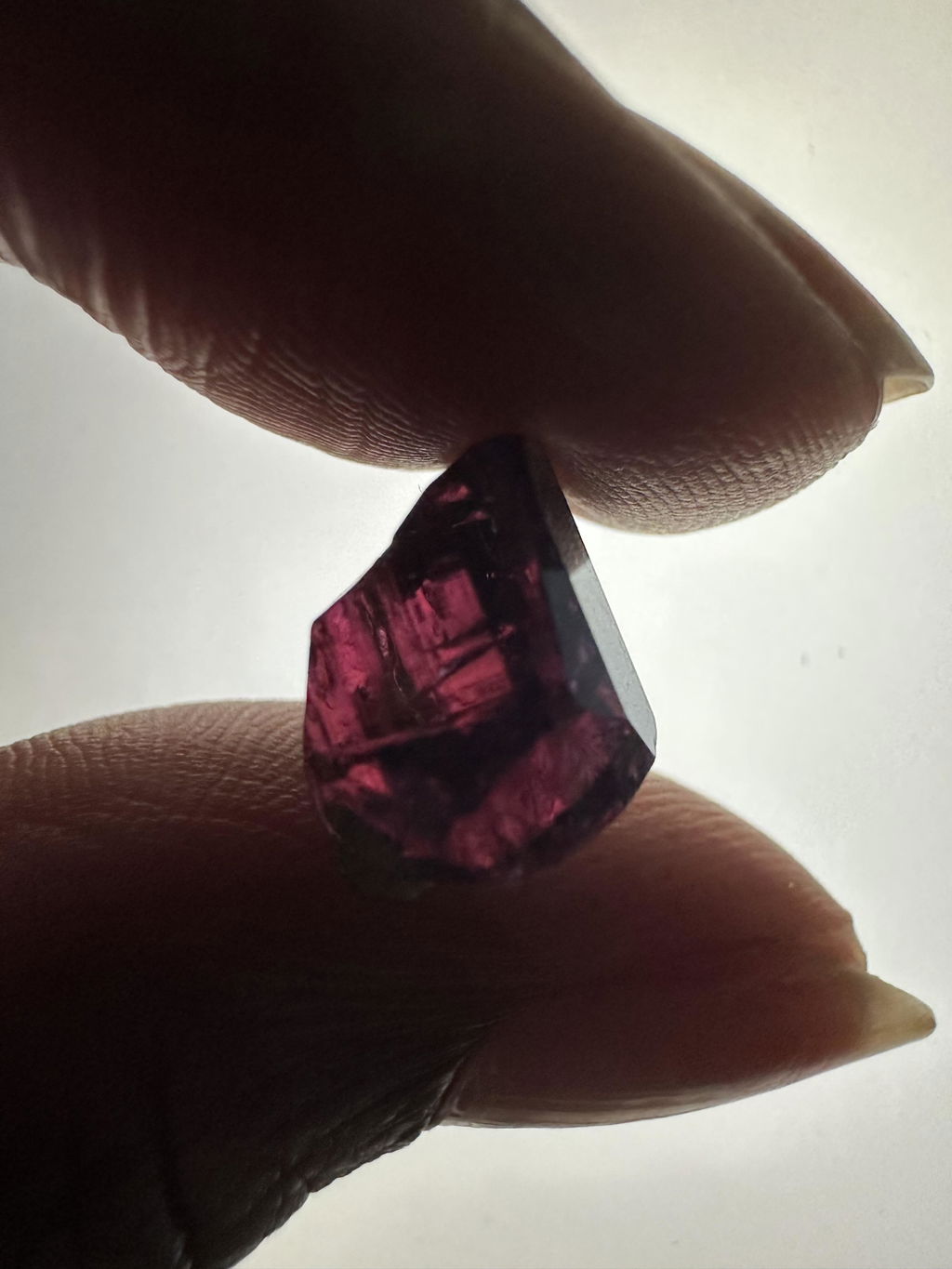
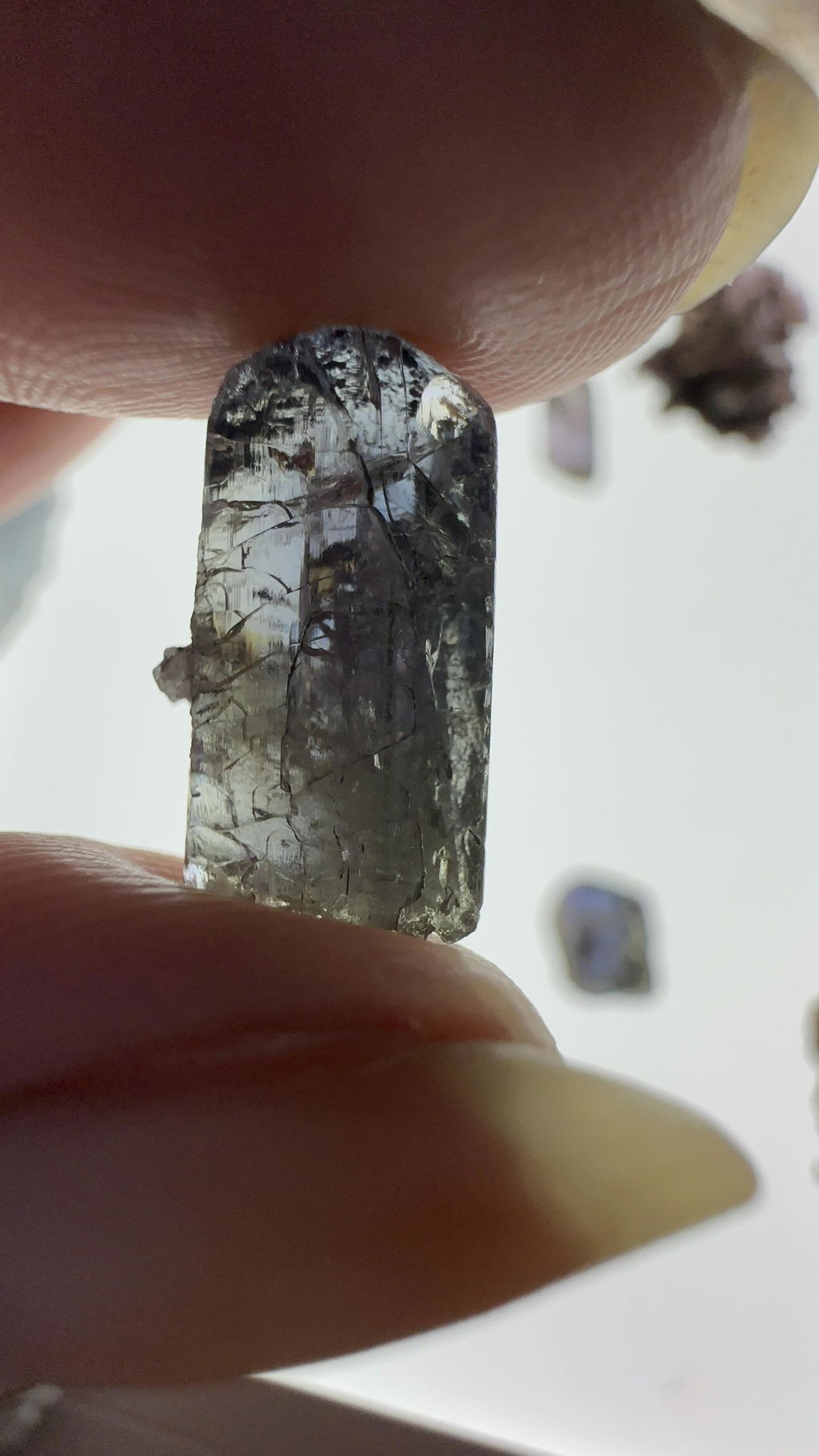
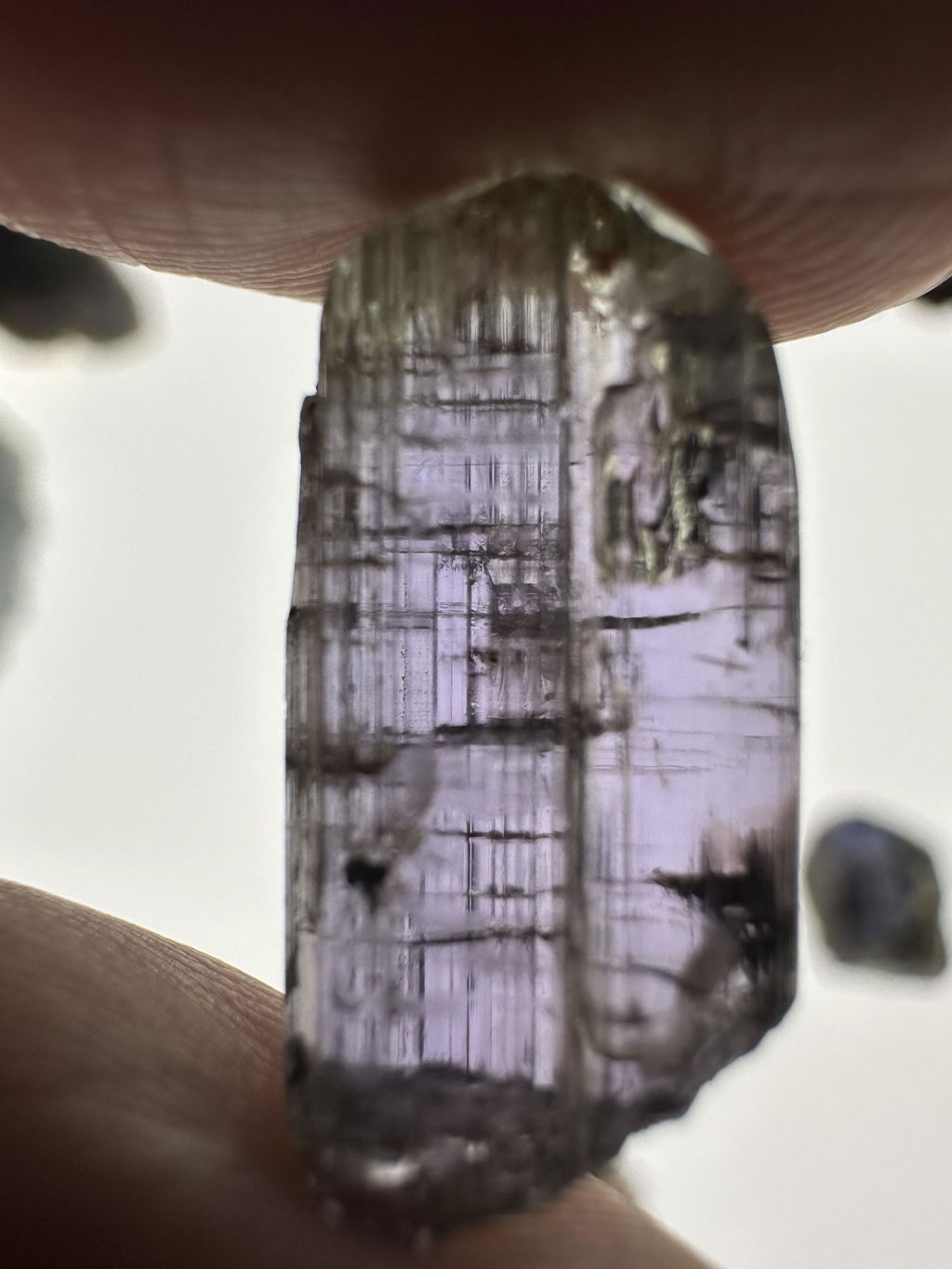
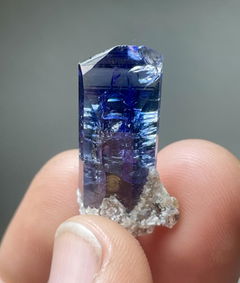
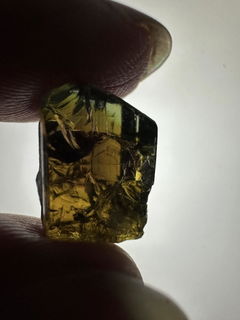
Masterpiece Tsavorite Garnet Crystal 41 Carats
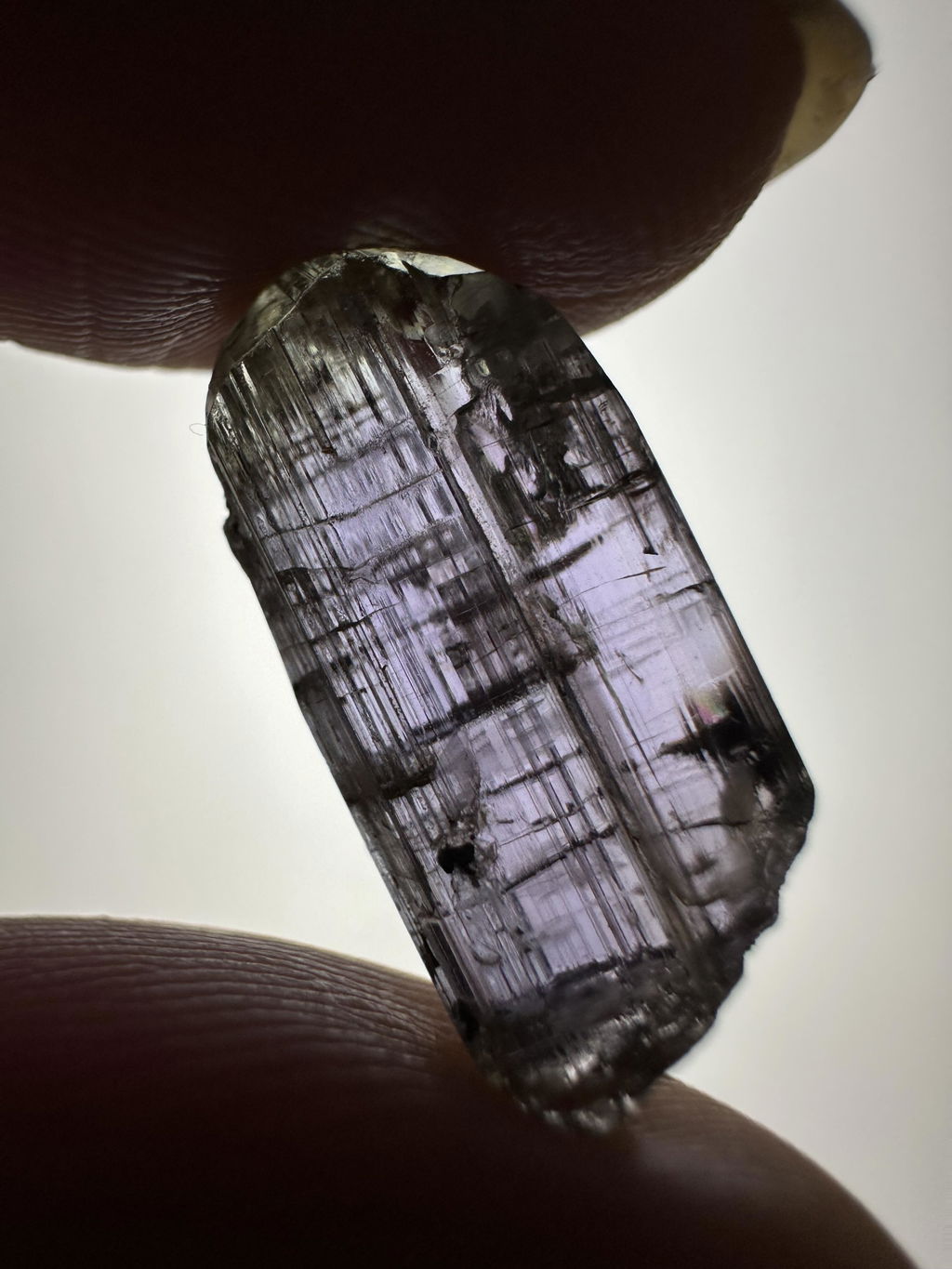
Coming directly from my personal collection, this is one of the absolute finest Tsavorite Garnet specimens I have ever been able to get my hands on. This pristine floater crystal represents the pinnacle of Tanzanian mineral treasures, boasting massive presence and a level of quality that is incredibly rare to find on the market.
Color: Saturated neon bright green. The color is an explosive, vibrant electric green that completely sets it apart from typical darker garnet material.
Clarity: Near perfect gem. It features extraordinary internal clarity that allows light to completely flood the crystal, making the intense green hue absolutely pop.
Luster: 10/10. Exceptional facet like faces with sharp geometric lines and a flawless, mirror like glass shine across the surfaces.
Condition: A choice, damage free floater crystal showcasing beautifully formed natural architecture.
Treatment: Completely unheated and untreated.
Finding an unheated Tsavorite of this size, clarity, and unique neon saturation is a true rarity for collectors. With similar caliber pieces fetching upwards of 30k USD, this investment grade masterpiece is an undeniable steal and a legendary centerpiece for any high end mineral collection.
Payment plans are accepted! See more here: Payment Plans
See us on Instagram at Tanzanite_Man or contact page on this website
Tanzanite is a form of zoisite that was first discovered in Tanzania in 1967. Although a more recent discovery, it quickly gained popularity as a colorful and attractive gemstone and is now considered one of the most important colored stones in the gem and jewelry industry. Although not all gem material has resonated with the same importance in both the mineral collecting and jewelry worlds, tanzanite has taken both by storm, establishing itself as fascinating and collectible in both its cut and natural forms. The golden era of tanzanite production was between 2007-2010 and it was during this time that most specimens and gem rough came to market. Since this influx however, findings have been sporadic, and the last few years have not produced any significant finds for the mines. In addition to sparse discoveries, miners of tanzanite have stated that their already limited resources will most likely be depleted within the next thirty years, noting that mining difficulties may cease mining even sooner.
Most tanzanite crystals have muddled coloring with a mix of browns, reds, blues, and purple. The rarest and most sought-after of all tanzanite crystals are the ones that exhibit an evenly saturated, intense, blue or purple coloration. Many, of the tanzanite crystals used in the jewelry industry were once of the muddled variety but have been heat-treated to adjust color consistency and saturation. Heating tanzanite re-aligns its molecular structure and homogenizes them to a lovely, even, purple-blue tone. While the heat-treated gems are considered beautiful and are wholly acceptable after enhancement, ultimately the naturally derived specimens are still considered the pinnacle of desirability by jewelers and mineral collectors alike. The preference for untreated specimens is not just a matter of preference. Heating a tanzanite not only alters its overall color, but it also affects its natural ability to express trichroism. Trichroism is the appearance of different colors, dependent on which axis a crystal is viewed. Natural tanzanite specimens exhibit different colors at its X, C, and Y axes. In the best examples, the X and Y axes show purple or blue, and the C axis exhibits red. Although cutting tanzanite rough into gemstones will mean the reshaping of its natural form and a setting may make it difficult to see its trichroism, discerning a natural tanzanite from an enhanced example is simple. One must only look for the red component (or lack thereof), it will be completely absent from heated pieces. These heated pieces are no longer considered trichroic, but dichroic, a travesty to collectors of high-caliber minerals who treasure natural tanzanite and its incredible characteristics.
Customer Reviews
A beautiful stone and a helpful seller
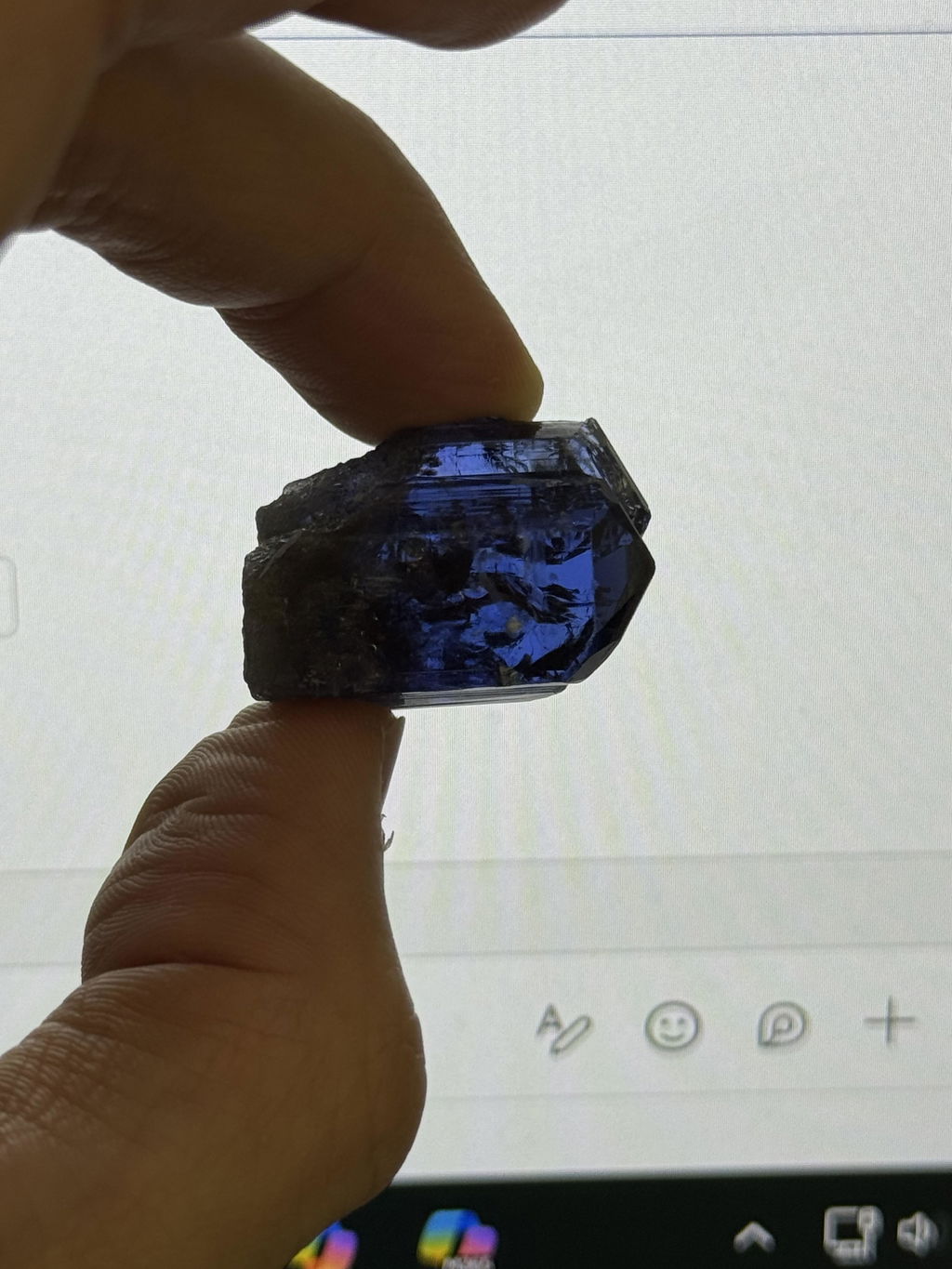
Items came exactly as pictured in the posts! He is very kind and is willing to work with your budget. I have purchased 2 from him so far and he is letting me do payment plans on a higher quality tanzanite. I've seen other people selling the same quality and gram weight for double the price! You will not be disappointed if you shop from here! I would give this shop a 10/10!
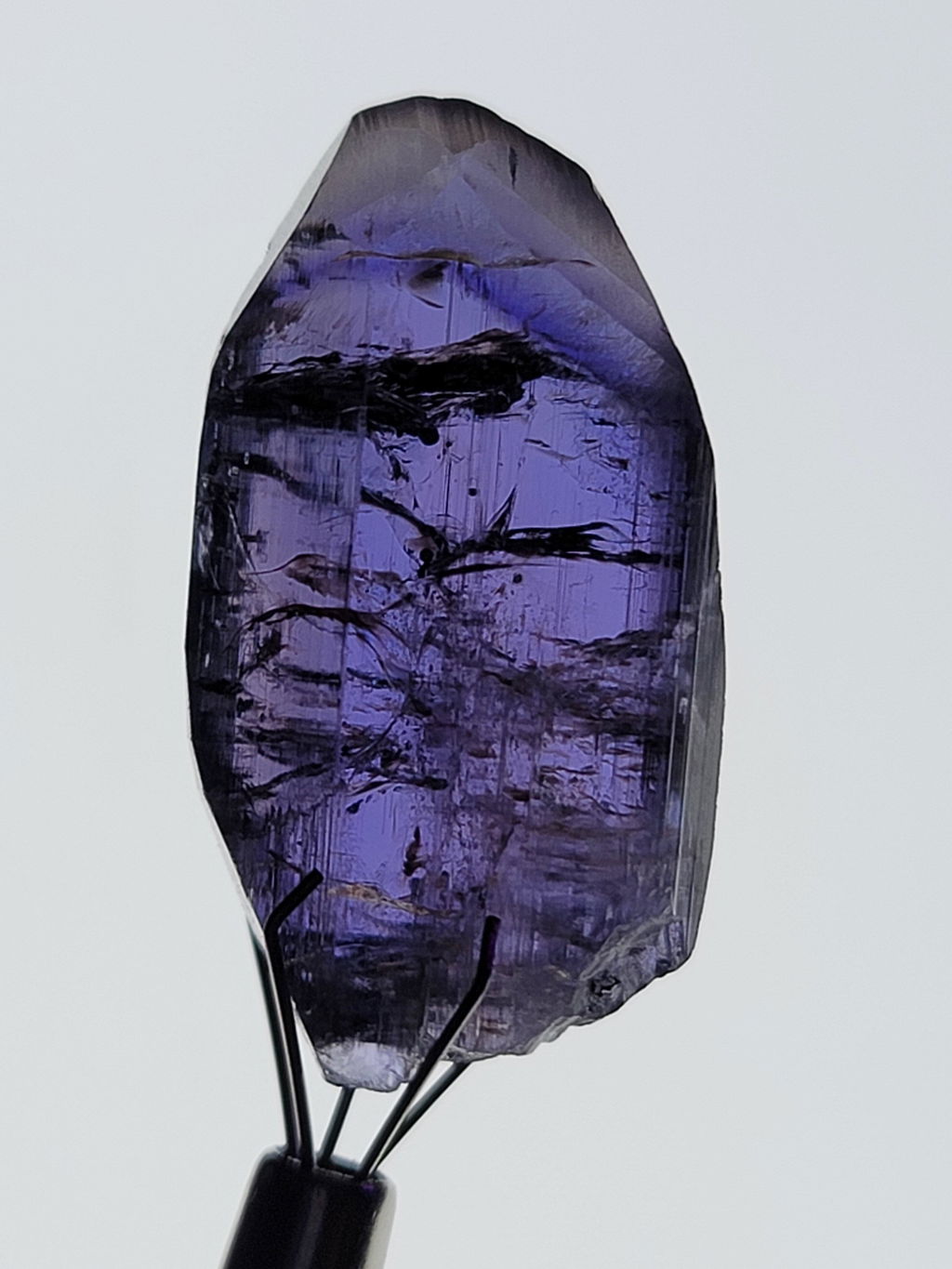
Amazing quality, variety, and prices… You can’t go wrong with The Tanzanite Man!
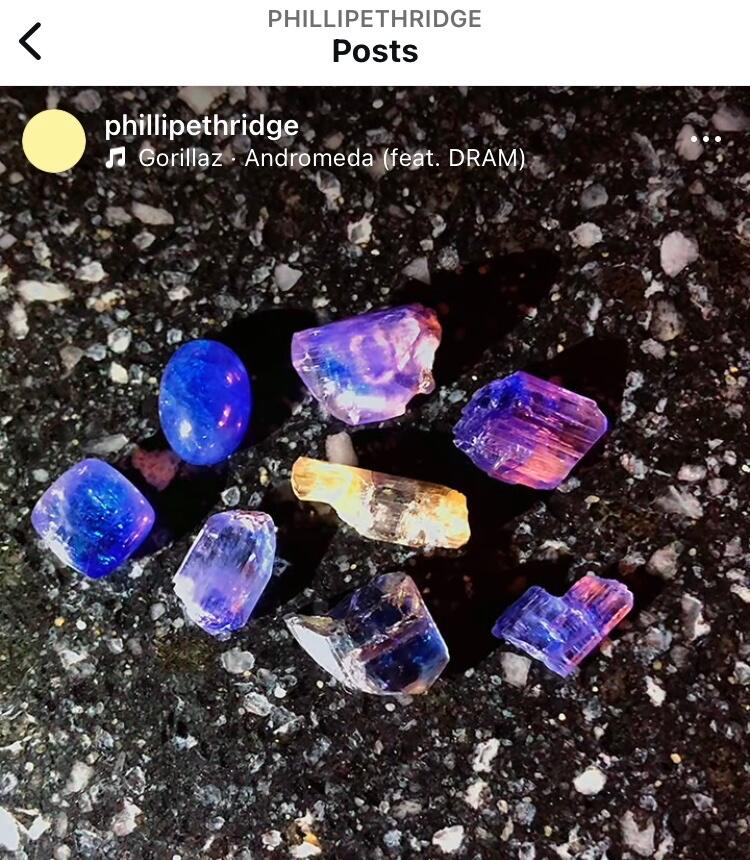
Always the best deals from the Tanzanite Man!
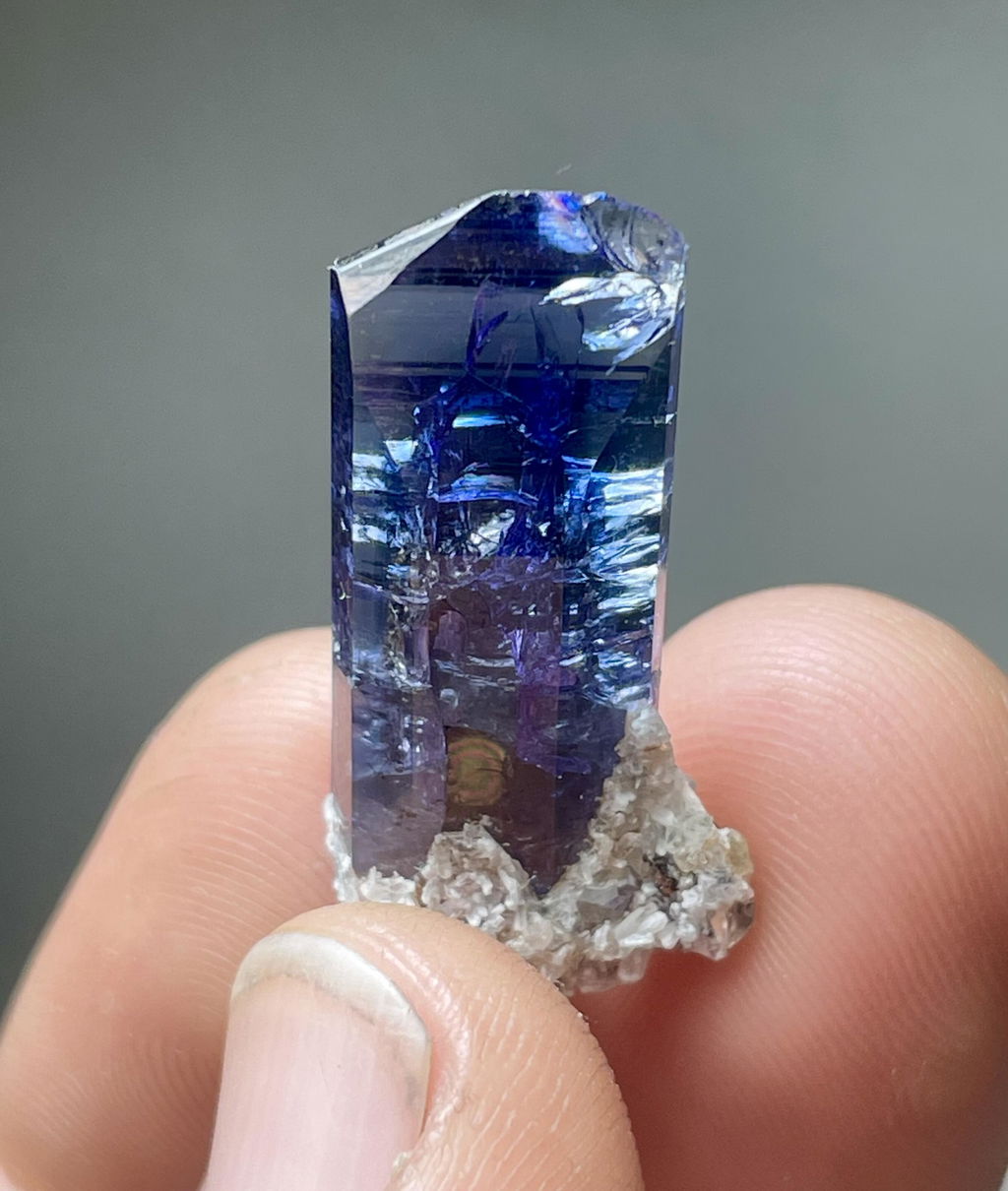
I love every single piece that I’ve ever gotten from here. Each piece just as incredible as the last. The pleochroism gets me every single time and it shows differently in every piece! Tanzanite is true magic and they have such an incredible eye for magnificent pieces. You can never go wrong with Tanzanite from THE Tanzanite Man and lovely Shelby!